 SpecFit
Aviator vs navigator glasses: what is the difference?
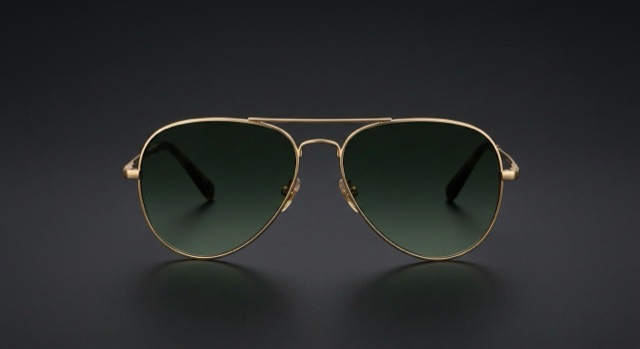
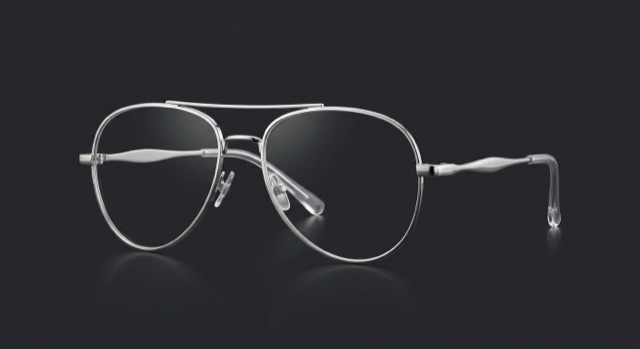
Aviator and navigator glasses share the same thin metal frame and double bridge. The lens is where they split. An aviator lens curves into a teardrop and dips toward the cheek. A navigator lens is squarer, with a flatter top and straighter sides.

Where both styles come from
The aviator started as pilot sunglasses in the 1930s. The brief was simple: cover the eye fully, cut glare at altitude, and stay light on the face. The result was a large, curved teardrop lens on a thin metal frame, held together with a double bridge across the nose. Ray-Ban's Aviator, still sold today, is the best-known version of this original shape.
The navigator came later, as a squarer take on the same frame. It keeps the thin metal and the double bridge, but straightens the lens. The top edge runs flatter, the sides lose most of their curve, and the overall shape reads closer to a rectangle than a teardrop. Think of it as the aviator's more angular cousin, built on the same frame family.
Key differences at a glance
| Feature | Aviator | Navigator |
|---|---|---|
| Lens shape | Curved teardrop | Squarer, flatter-topped |
| Top line | Slight curve, often a brow bar | Straighter, flatter brow bar |
| Bottom edge | Curves down toward the cheek | Straighter, less dip |
| Overall look | Soft, rounded, retro | Structured, angular, modern |
| Bridge | Thin metal double bridge | Thin metal double bridge |
| Best on | Square, diamond, heart-shaped faces | Round, oval faces |
Lens shape and coverage
An aviator's lens is deepest in the middle and curves inward at the top and bottom. That curve is what gives it the teardrop name, and it is also why the lens sits close to the brow and the cheek at once. A navigator keeps a similar height but straightens the outline, so the lens looks more rectangular and the proportions feel tighter and more deliberate.
Coverage is similar between the two once the lens is a comparable size. The shape changes how the coverage looks, not how much of the eye it covers.
Which face shapes suit each style
Curved and straight lines work the same way on aviators and navigators as they do on any other frame: they add the shape your face has least of.
- Square and diamond faces. These faces already have strong, straight lines. A curved aviator lens adds contrast and softens a strong jaw or wide cheekbones. A navigator repeats the angles instead, which can look sharper but will not soften anything. Read the full guides for a square face and a diamond face.
- Heart-shaped faces. A heart face narrows toward the chin. An aviator's wider top and curved bottom balance a narrow jaw well. See the guide to glasses for a heart-shaped face.
- Round and oval faces. These faces have fewer straight lines of their own, so a navigator's flatter top and straighter sides add definition without looking out of place. Check the guides for a round face and an oval face.
- Long faces. Either style can work if the lens has enough depth to break up a long, narrow face. See glasses for a long face for the depth and width checks that matter most.
For a deeper look at the aviator side of this comparison, read do aviator glasses suit a square face?, which also covers the navigator as the bolder, more angular option.
Aviator or navigator with a prescription?
A deep, curved aviator lens can be awkward with progressive lenses. Progressives need a set amount of usable lens height below the pupil for the reading zone to work, and a lens that curves away sharply at the bottom can cut that zone short. A navigator's flatter, more rectangular lens usually keeps more usable height in the same frame size.
If you wear progressives, check minimum lens height for progressive lenses before choosing either style, and read best frames for progressive lenses for shapes that make this easier. Single-vision prescriptions do not have this problem and work fine in either shape.
Fit matters more than the name
A good aviator and a good navigator both come down to the same checks. The frame should sit within a few millimetres of your face width at the temples, the bridge should carry the weight evenly on your nose, and the lens should sit close to your brow line without resting on your cheeks.
Our glasses size chart covers typical width ranges for both shapes, and how wide should glasses be? explains how to measure your own face first. If you are shopping for sunglasses specifically, how should sunglasses fit? covers the one rule that flips for sun lenses: the top bar should follow or cover your brow, not sit below it.
Metal colour and rim weight
Both styles are usually made in thin metal, so colour does most of the work. Gold and warm tortoise soften either shape and suit warmer skin tones. Silver and gunmetal feel crisper and suit cooler tones. A thicker rim on either style adds more visual weight, which matters most if your face is already on the smaller side.
Which one should you pick?
Pick an aviator if your face already has strong, straight lines and you want a frame that softens them. Pick an aviator too if you like a softer, more retro look generally.
Pick a navigator if your face is rounder or softer and you want a frame that adds definition. Pick a navigator too if you prefer a more structured, modern look over a retro one.
If you cannot tell from a product photo which one actually works on your face, the safest move is to see both on yourself before you buy either.
See both shapes on your own face before you choose. SpecFit measures your face, checks a frame's width against it, and renders linked glasses or sunglasses on your own photo.

Questions
What is the difference between aviator and navigator glasses?
Aviator lenses curve into a teardrop that dips toward the cheek. Navigator lenses are squarer, with a flatter top and straighter sides. Both styles usually share a thin metal frame and a double bridge.
Are navigator sunglasses the same as aviators?
No. They come from the same family and share the metal double bridge, but a navigator's lens is squarer and flatter across the top. An aviator's lens is rounder and curves lower at the bottom.
What are navigator glasses?
Navigator glasses are a squarer relative of the aviator. They keep the thin metal frame and double bridge but use a flatter-topped, more rectangular lens instead of a curved teardrop.
Do navigators suit a square face better than aviators?
Usually not. A square face already has strong, straight lines, so a navigator's flatter top repeats them. A curved aviator lens adds contrast and tends to soften the jaw and forehead instead.