 SpecFit
Best frames for progressive lenses
A progressive lens holds three prescriptions in one piece of glass: distance at the top, middle range in the centre, reading at the bottom. They need vertical room. Choose a frame that is too shallow and you cut the reading zone off the bottom of your glasses.
The number that decides everything
Two measurements matter, and people mix them up constantly.
| Measurement | What it means | Typical minimum |
|---|---|---|
| Lens height | Top edge of the lens to the bottom edge | 28 - 30 mm standard, 22 mm short corridor |
| Fitting height | Centre of your pupil down to the bottom edge | 17 - 18 mm standard, 13 - 14 mm short corridor |
Lens height is a property of the frame. Fitting height depends on the frame and on where your eyes sit in it, which is why the same frame can work for one person and not another.
Treat these as working rules, not law. Every progressive design has its own published minimum, and your optician knows which one they are ordering. Ask them for the number before you commit to a frame.
How to check a frame before you buy
Online listings rarely state lens height. When they do, it is sometimes given as the "B measurement", and it is occasionally added as a fourth number after the usual three on the size stamp, like 54□17 140 32.
- Look for a fourth number, or for "lens height" or "B" in the specifications.
- If it is not listed, ask the retailer. Any decent optical seller can tell you.
- Measure a pair you already own: hold a millimetre ruler against the lens vertically, at its tallest point.
- Compare against the minimum your optician gave you.
Shapes that give you depth
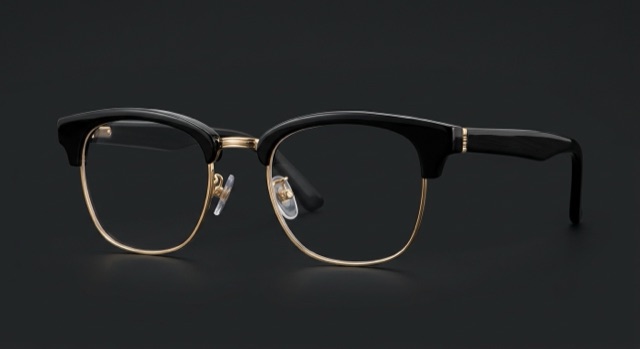
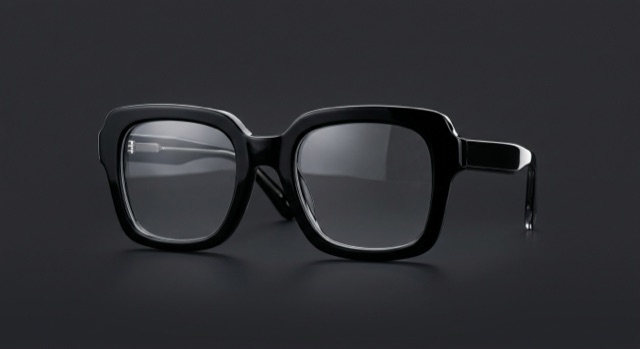
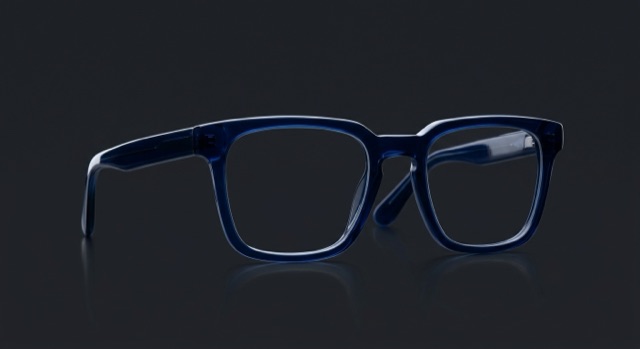
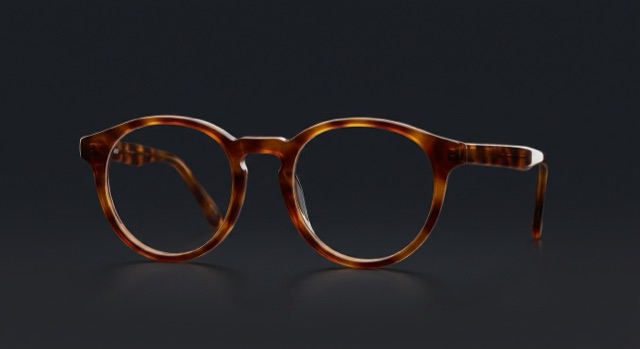
- Square and rectangular frames with real depth. The most reliable choice: the bottom edge stays low and level, so the reading zone is full width.
- Browlines. Depth without bulk, since the weight sits in the top bar.
- Round and oversized shapes. Plenty of vertical room, though a round lens narrows toward the bottom, which slightly trims the reading area.
Shapes that fight you
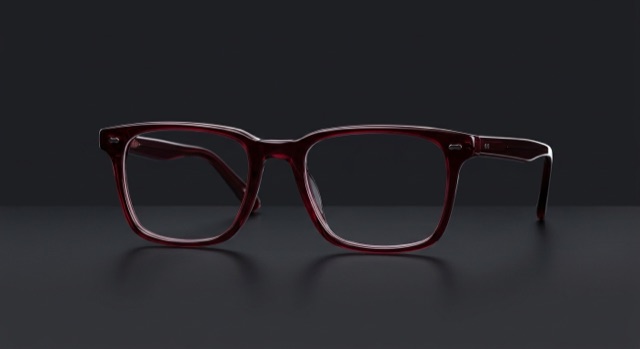
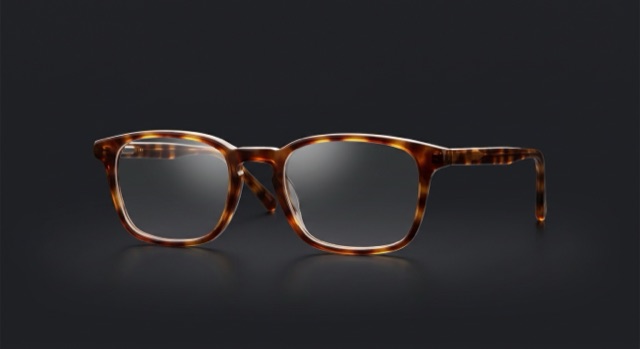
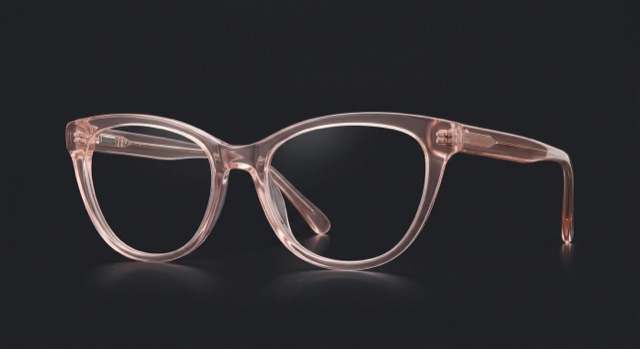
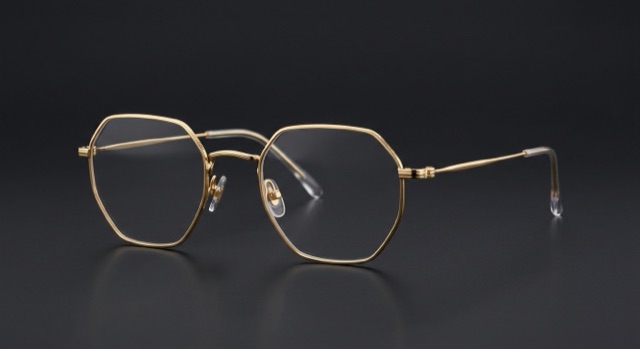
Slim, shallow rectangles are the classic mistake. They look sharp on the shelf and cannot hold a standard progressive.
Strongly upswept cat-eyes rise at the outer edge, so the usable depth is less than it appears.
Shapes that taper to a point at the bottom, including some geometrics and teardrops, narrow exactly where the reading zone needs width.
Where progressives fight the rest of the advice
Two conflicts come up often, and both are worth knowing before you shop.
A short face wants a shallow frame. Our face-shape guidance says a shallow frame keeps a short or round face open. Progressives want the opposite. Depth wins, because a frame that cannot hold your prescription is not a frame you can wear. Choose the shallowest frame that still clears the minimum, and ask about a short-corridor design.
A strong prescription wants a small frame. Progressives want a deep one. The usual escape route, semi-rimless, is the one thing a strong prescription should avoid. Take both constraints to your optician at the same time.
Fit matters more than usual
With single-vision lenses, a frame that slips down your nose is a nuisance. With progressives it is an optical problem: the zones move down with the frame, so your eyes end up in the wrong part of the lens and everything feels slightly off.
That makes the standard checks non-negotiable. Your pupils need to sit where the lens expects them, the frame has to stay put when you look down, and the bridge has to actually match your nose. The five-point fit checklist covers all of it. If new progressives feel wrong when you read, get the fit adjusted before you doubt the prescription.
SpecFit reads a frame's size stamp and scores the fit against your face. Paste a link to any frame to check it, free. Then see it rendered on your own photo before you order.

Questions
Can I wear small frames with progressives?
Only with a short-corridor design, and only if the frame clears its minimum. Ask for the number rather than guessing.
Why do my new progressives feel wrong when I read?
Usually the lens is sitting too high or too low, so your eyes are not landing in the zone they should. Frames that slip take the reading zone with them. Get the fit adjusted first.
Are expensive progressives worth it?
The difference is usually corridor width and how gently the zones blend, which affects how much distortion you notice at the edges. Whether that is worth the money depends on how much time you spend at a screen, and it is a conversation for your optician rather than a rule.