 SpecFit
The SpecFit blog
Short, honest guides to buying glasses online. Every article follows one rule: say what the numbers mean, and what to do with them.
Glasses size chart: small, medium, large and XL
Compare total width, lens width, bridge and temple length, then find your own size from a pair that already fits.

Do aviator glasses suit a square face?
Yes. Compare teardrop, rounded and navigator aviators, then check the width, bridge, cheeks and brow line.
What does 17-140 mean on glasses?
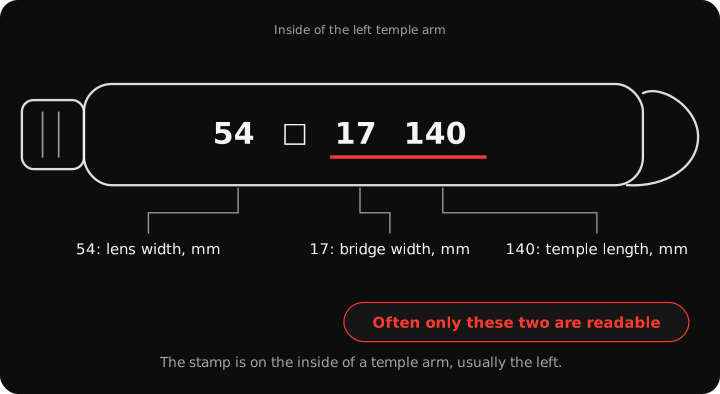
Only part of the stamp was legible. 17 is the bridge, 140 is the temple, in millimetres. What each one suits, and where the missing lens width usually is.
Should sunglasses cover your eyebrows?
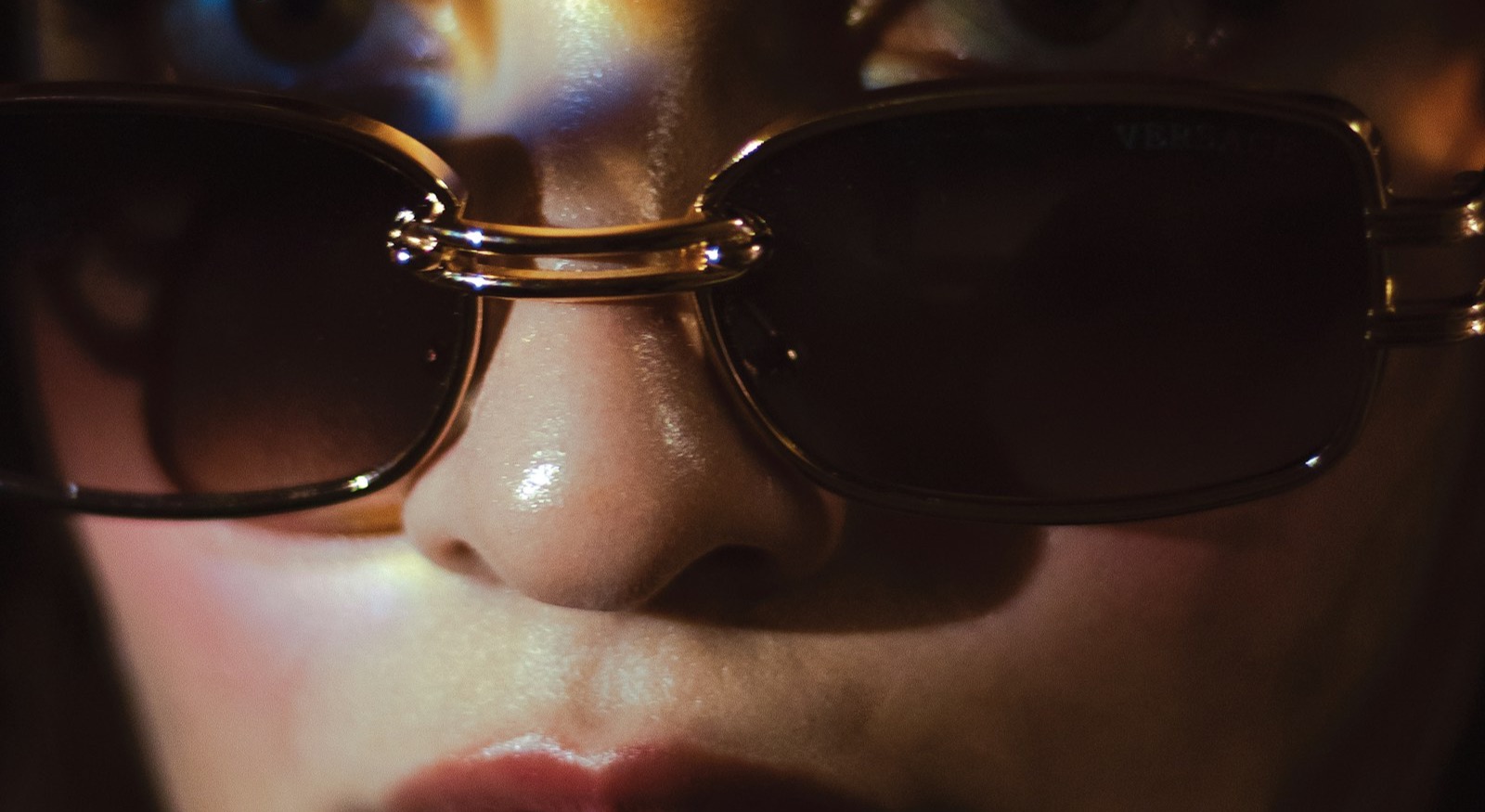
Sunglasses should follow or cover the brow line. Clear glasses should sit just below it. Why the rule flips, and how to check which one yours need.
How wide should glasses be?
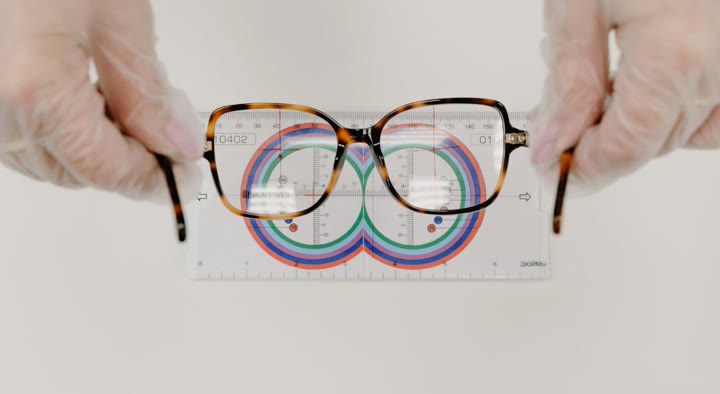
A frame fits when its total width sits within 2 to 3 mm of your face width. How to measure your face and estimate a frame's total width before you buy.

How high should glasses sit on your face?
Pupils, brow line, and cheeks all set the height. What right looks like, and the checklist for too high versus too low.

How should glasses temple arms fit?
The arms should run straight back, then bend just past the top of the ear. What too short, too long, too tight and too loose feel like, and what an optician can fix.

Minimum lens height for progressive lenses
Progressive lenses need a minimum lens height and fitting height to work. The numbers to ask your optician for, and the frame shapes that clear them.
Is your PD on your glasses prescription?
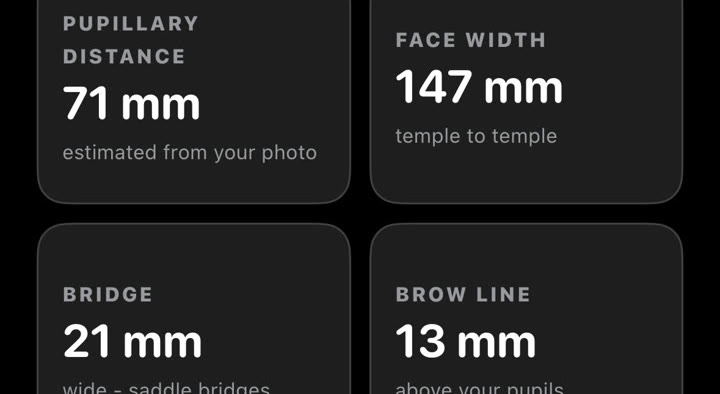
Often not. Here is where to look, what the numbers mean if you find them, and what to do if it is missing.
Best glasses colours for a warm skin tone
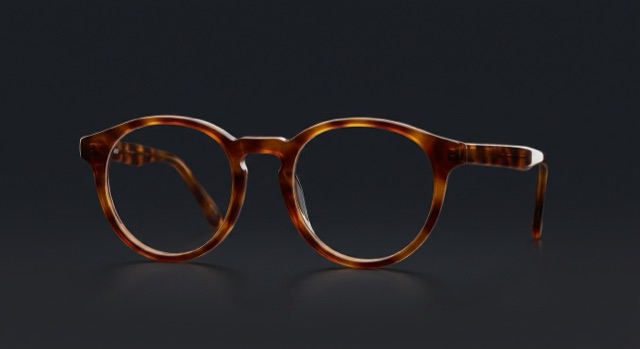
Gold, honey tortoise, brown, and olive sit with golden skin. The full colour list, the warm-versus-cool table, and a two-frame test to confirm it.
Best glasses colours for a cool skin tone
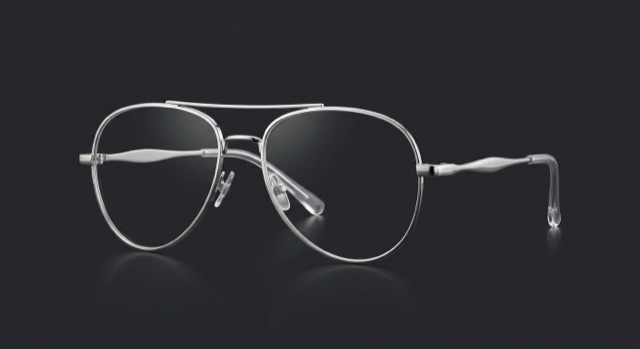
Blue-purple wrist veins, silver over gold, skin that burns before it tans. The frame colours that flatter a cool undertone, and the ones to be careful with.

Glasses for big heads and wide faces
A frame that pinches or slides is usually the wrong width, not an unusual head. The numbers to look for, and the shapes that carry width well.

Best glasses for bald men
With no hair to soften the top of the face, the frame carries more visual weight. Which shapes work, matched by face shape underneath.

How to pair glasses with a beard
Balance visual weight, top and bottom. Which frames suit stubble, a short beard, and a full beard, plus the fit issue beards cause.

Men's glasses for the office
Office glasses have to survive video calls and long screen days without becoming a distraction. What holds up, and what to avoid.
How should sunglasses fit?
The clear-glasses rules carry over, but one flips: the top bar should follow your brow, not sit below it. Plus the UV label that matters.
Are PD measurement apps accurate?
Depth scans measure in real millimetres. Photo apps borrow scale from a credit card. The method decides the accuracy.
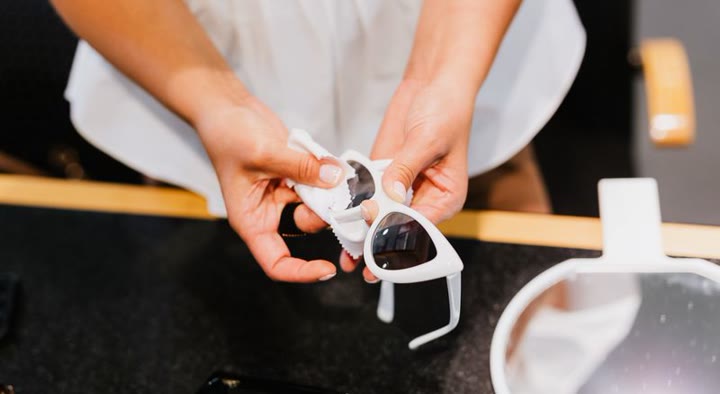
How to clean your glasses
A scratched lens can only be replaced. The right daily method, what never to touch a lens, and the small jobs that keep frames new.
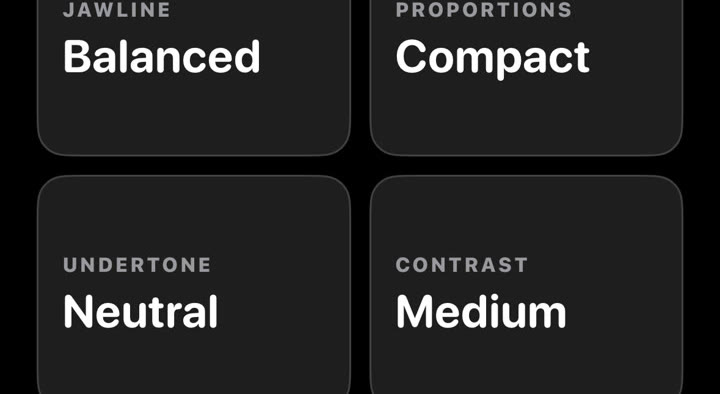
What colour glasses suit me?
Frame colour follows your skin undertone, not your favourite colour. How to find yours, and the two-frame test that settles it.
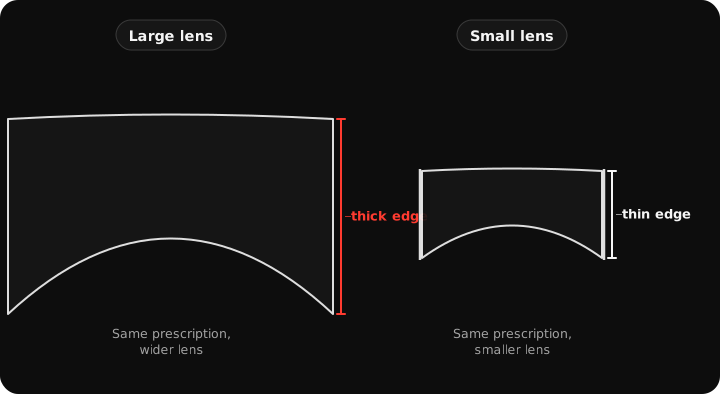
Best frames for a strong prescription
Which shapes keep thick lenses looking thin, which ones put the edge on display, and the question to ask your optician first.
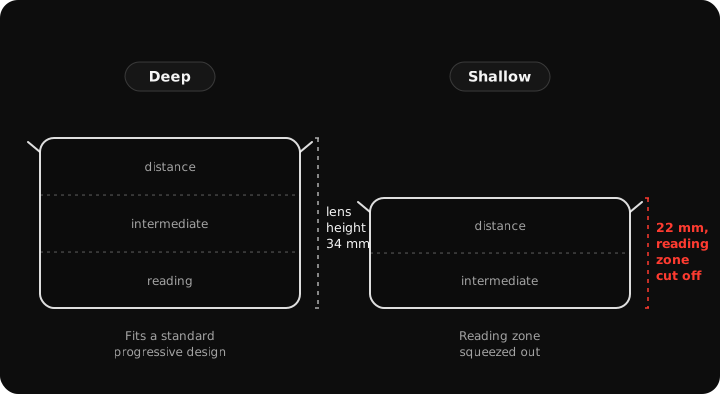
Best frames for progressive lenses
Progressives stack three zones into one lens. How much frame depth that needs, and how to check before you buy.
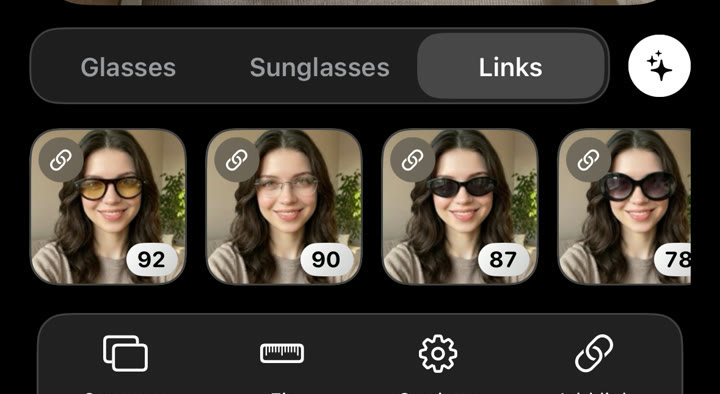
How should glasses fit? A 10-point checklist
Width, bridge, temples, pupils, brows, level, cheek and lash clearance, stability and all-day comfort.
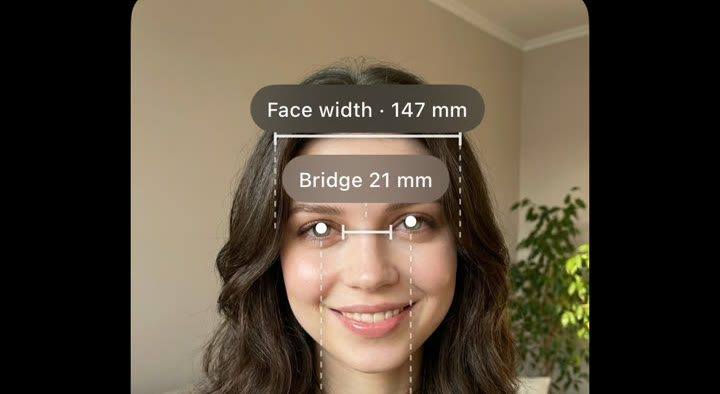
How to measure your pupillary distance at home
Three ways to get your PD without an optician, and the accuracy each one gives you.
Glasses frame numbers explained: 54-17-140
Decode lens width, bridge width and temple length, then use them to shortlist frames that fit.

Best glasses for a round face
Straight lines add the structure soft curves lack: rectangles, squares, and browlines.
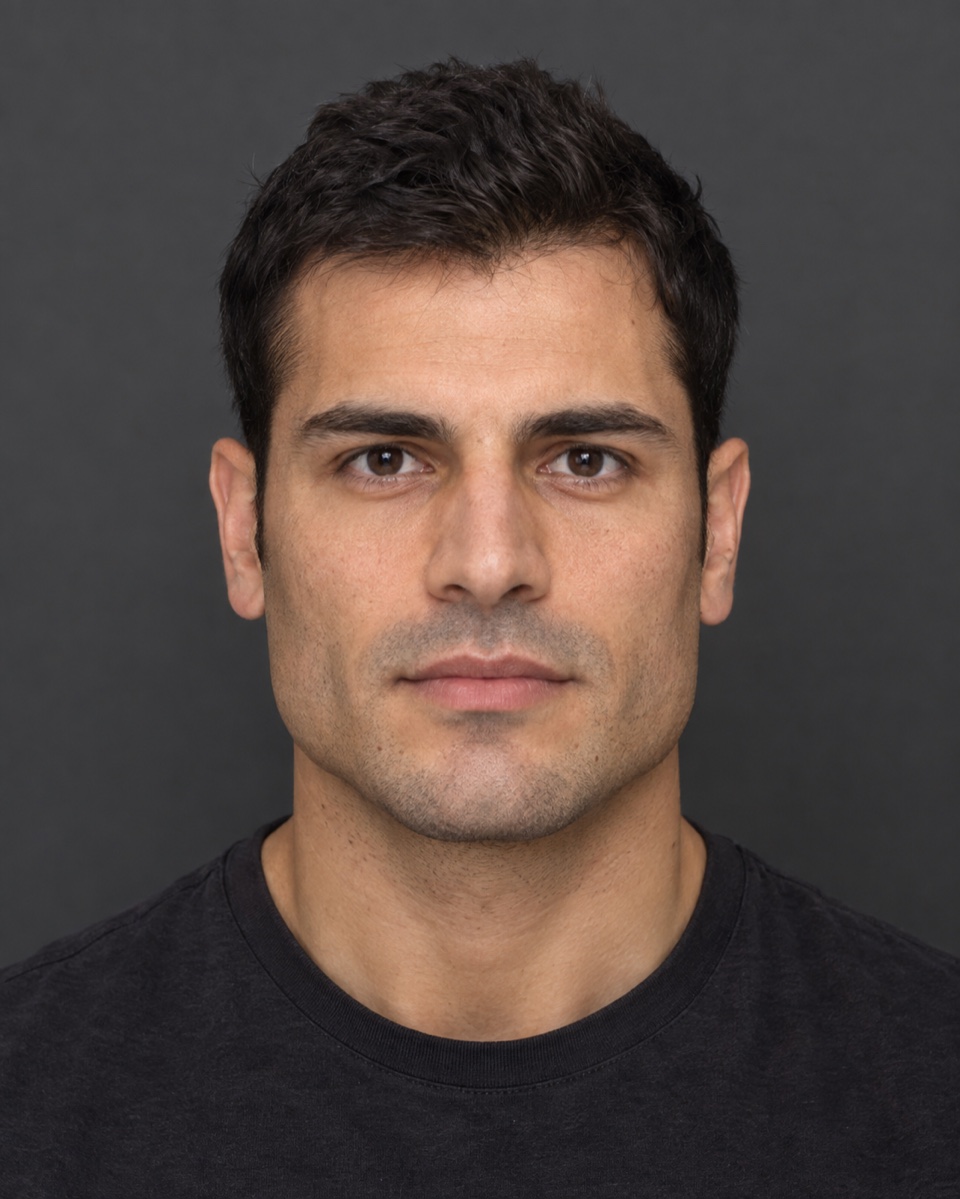
Best glasses for a square face
Curves soften a strong jaw: rounds, ovals, and aviators. Angular frames make it read heavier.
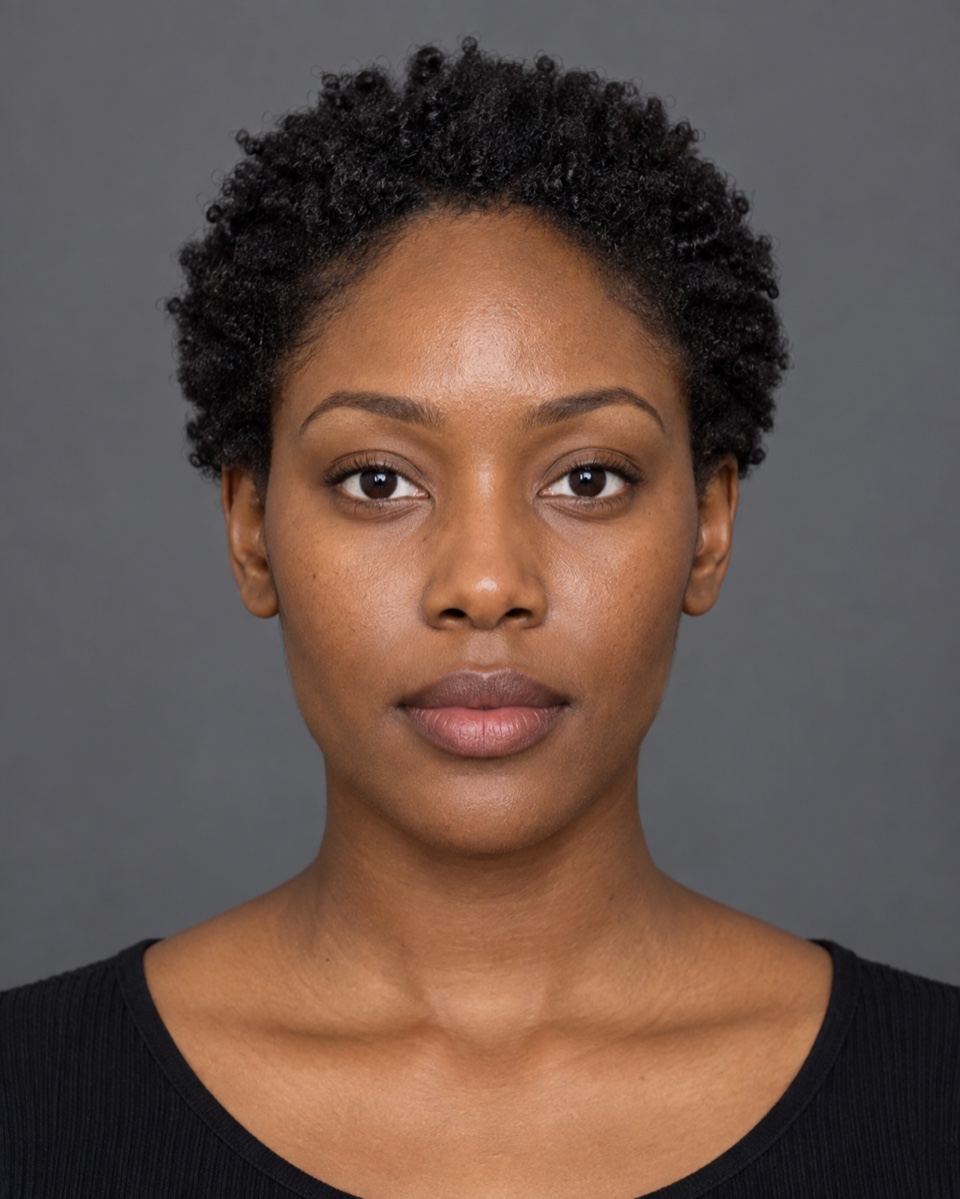
Best glasses for an oval face
Balance carries almost any frame. The one rule left is proportion.

Best glasses for a long (oblong) face
Deep lenses and strong horizontals break the vertical line: browlines, aviators, oversized.
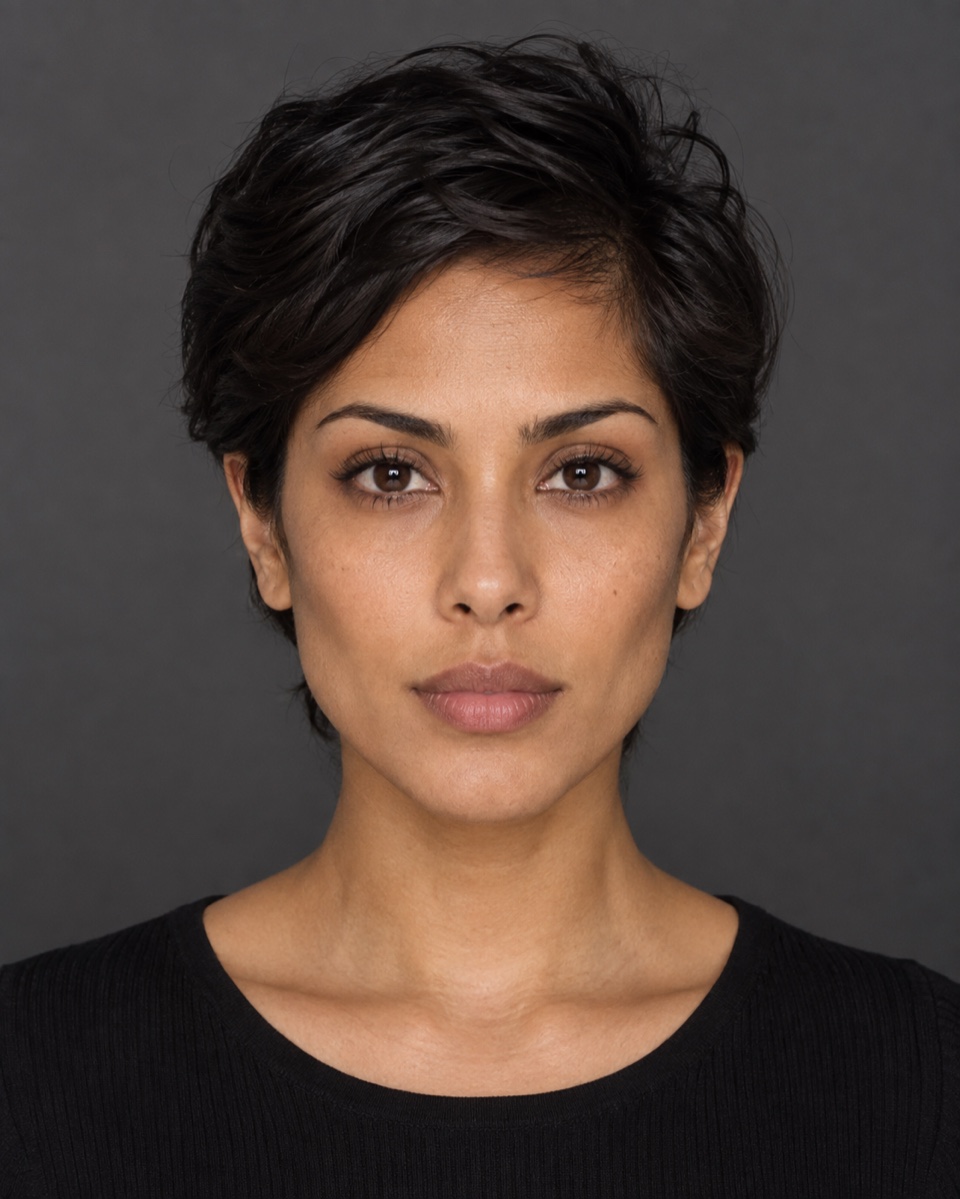
Best glasses for a diamond face
Keep wide cheekbones open: rimless, ovals, and upswept shapes that lift the brow line.

Best glasses for a heart-shaped face
Light at the top, weight at the bottom: aviators, wire rounds, and rimless frames.